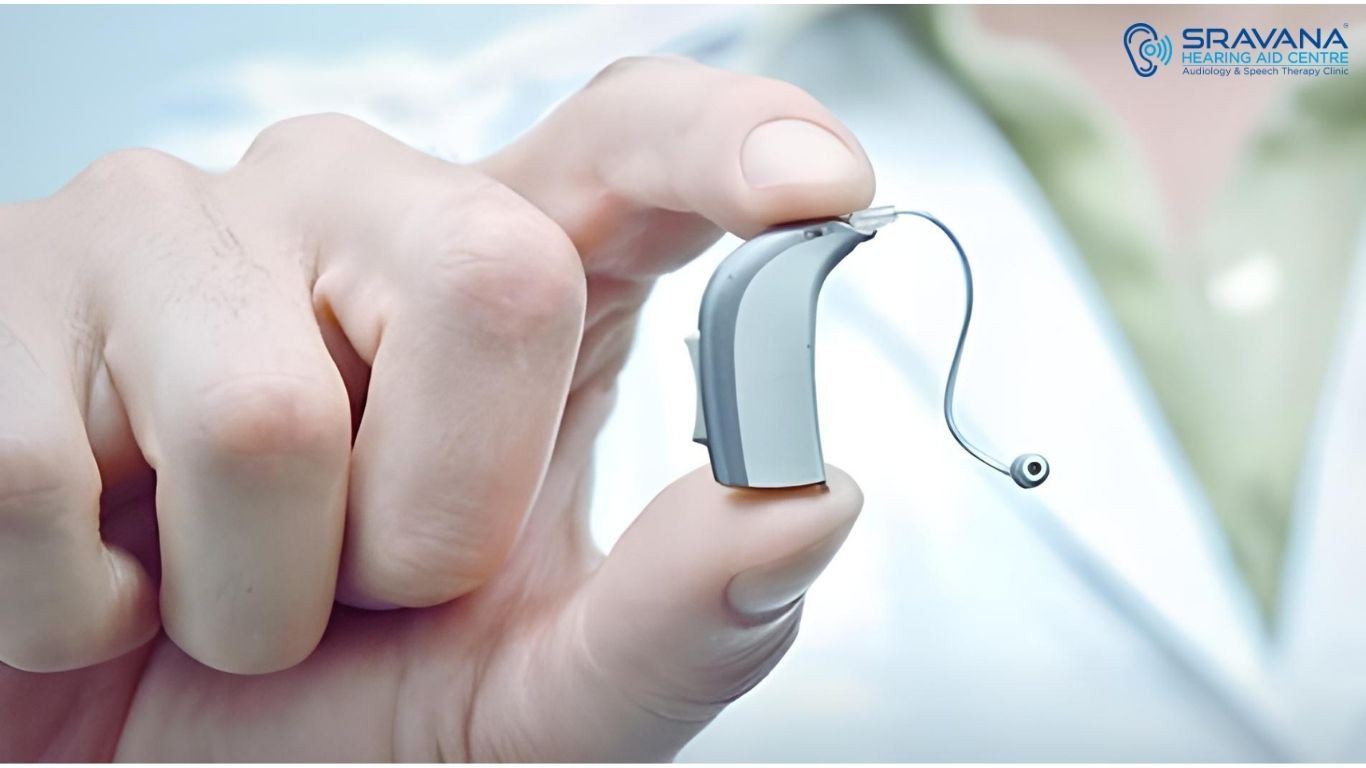
Investing in a pair of high-fidelity virtual listening devices is one of the most beneficial steps you can take to regain your social existence, confidence, and cognitive fitness. These tiny parts, custom-made microelectronic cameras, relentlessly filter noise at all levels of the day, providing stable acoustic alcohol throughout the day og skarpan akustikk. Due to the fact that they spend hours sitting at the back of the ear canal either internally or all at once, they are constantly exposed to a particularly challenging environment.
In a country like India, external factors multiply the demanding conditions. Our bustling cities and towns are clearly responsible for Class I airborne dust, and our tropical climate means your appliances have to contend with intense heat and excessive humidity for most of the year. Over time, microscopic debris from earwax, bodily sweat, and environmental dirt can block important additions, essentially burying sound notes, distorted notes, or even complete digital failure.
With a simple, consistent daily and weekly recovery schedule, you can keep your appliances running properly, extend their lifespan, and reduce recovery rates. Let us map out exactly the path to protecting your listening investments and preserving them for years to come.
Understanding Your Device’s Core Vulnerabilities
It makes it easier for the public interest to pick up the necessary components to properly care for hearing aids. Regardless of whether you place a discrete absolute-in-canal (CIC) model behind the ear or a robust receiver-in-canal (RIC), the core pressure factors are still remarkably comparable across the board.
Daily 5-Minute Evening Care Routine
The most effective habit you can create is a cleaning routine during your lunch break. Getting your gear first thing in the morning is never easy. Leaving earwax or sweat on the device overnight can cause residue to harden, dry, and deposit in deep internal sensitive openings, making them exponentially harder to remove the next day.
Follow this simple repetition overnight before bed:
Step 1: Lay Down a Soft Surface
Always face the equipment on a gentle flat surface. Keep a clean face towel or soft microfiber cloth on your desk. Hearing aids are quite dangerous devices; If you accidentally drop one on hard marble or glazed tile, the interior acoustic crystals or coating could break instantly.
Step 2: Wipe Down the Exterior
Take a dry, smooth microfiber cloth and gently wipe the entire outer shell or housing of the hearing aid. This removes the film of sweat, natural pores, skin oils and cosmetics that have accumulated during the day.
IMPORTANT REMINDER: Never use wet wipes, wet tissues, disinfectants, or wet clothes for this step. Even a small drop of liquid penetrating a seam can permanently damage the internals of a virtual processor chip.
Step 3: Brush the Openings Facing Downwards
Lightly brush the mic ports with the special special bristle cleaning brush included with the repair kit and exit the speaker. Crucial Tip: Always turn hearing aids upside down so that the openings face down, even while brushing. This allows gravity to naturally pull loose dust and wax fragments out of the appliance, rather than pushing it deeper into the ports .
Step 4: Use the Wire Loop for Stubborn Wax
If you notice stubborn deposits of earwax inside the receiver opening or sound bore, use the small wire loop tool to gently scoop it out. Do not shove the tool deep into the opening. Keep your movements shallow, surface-level, and careful.
Weekly Deep Clean: Domes, Tubing, and Guards
While a daily superficial wipe-down keeps surface dust at bay, structural components require a thorough inspection once or twice a week to maintain peak performance.
Anatomy Specific Maintenance Tasks
1. Inspecting and Replacing Wax Guards
Most modern custom and RIC hearing aids feature a tiny, replaceable white plastic mesh known as a wax guard (such as Cerustop filter wheels). This acts as a primary defensive shield protecting the internal speaker from moisture and wax. Check this under a bright light weekly. If the tiny holes in the white mesh look blocked or yellowed, it is time to replace the guard using your filter-changing stick.
2. Managing Behind-The-Ear (BTE) Tubing
If you wear a traditional BTE device paired with a custom acrylic or silicone earmold, look closely at the clear plastic tubing connecting the hook to the mold. Because of ambient humidity and body heat, condensation bubbles can form inside this tube. If left unmanaged, moisture blocks sound waves from traveling down the tube, causing the aid to sound quiet or completely dead.
- Carefully detach the clear tubing from the plastic earhook.
- Wash the detached earmold and tube in warm, soapy water.
- Use a specialized rubber ear syringe or air blower tool to push forced air through the tube until every single drop of water is evacuated.
- Ensure it is 100% dry before reassembling.
Protecting Your Instruments from Moisture and Monsoons
Moisture is arguably the leading cause of premature component failure in modern hearing instruments. In India, managing moisture requires extra vigilance during peak summer when sweat is unavoidable, as well as during the monsoon season when atmospheric humidity spikes dramatically.
The Power of Dehumidifying Kits
When you’re done cleaning each night, place your hearing aids in a dedicated dehumidifier unit.
Passive silica humidifiers: These are small, sealed plastic jars that contain color-changing silica gel dry pellets. The tablet actively draws moisture vapor from the device in one day. When the gel crystals change color (usually from blue to pink or orange to white), it’s a much cleaner indicator that the pill is saturated and wants to renew or replace.
Electronic dry box: For maximum safety, do not forget to update your digital UV-C dry box according to the hearing of the assistance center. These electronic chambers use safe, conventional convective heat to dry internal microcircuits, just as they use an ultraviolet gentle cycle to sanitize the outer covering, eliminating microorganisms and fungal spores that thrive in moist ear canals .
Smart Battery Habits
If your hearing instruments utilize traditional zinc-air button batteries, always open the battery drawer fully at night. This stops power drainage and allows fresh air to circulate through the compartment, preventing sweat residues from locking into the spring contacts. If you use modern lithium-ion rechargeable devices, ensure the metal charging tracks on the bottom of the shell are wiped completely dry with your microfiber cloth before placing them into the charging dock slot.
Critical Care Pitfalls to Avoid
- Sometimes, well-intentioned cleaning practices can cause severe mechanical damage. Keep the absolute “thumb policies” in mind:
- Never use sharp metal needles: If the wax port is blocked, do not again try to clear it with a sewing needle, retention pin, or toothpick. These sharp objects can pierce the delicate sound screen of the receiving microphone, instantly destroying the wing.
- Avoid external heat sources: If your device accidentally falls into the sink or gets stuck in heavy rain, do not attempt to dry it with an electric hair dryer, microwave, or place it directly on a hot windowsill. High design temperatures will distort the outer plastic shell and melt the inner delicate micro-solder connection.
- Keep chemicals away: Do not spray perfume, cologne, hair spray, or mosquito repellents while wearing hearing aids. Grade I thick settles in sound pores and forms sticky crust
Partnering with a Professional Hearing Aid Center
Even with perfect daily domestic care, micro-particles can work their way past external barriers over months of active wear. Just like a car requires a periodic mechanical checkup, your hearing devices require professional deep servicing.
Visiting a certified clinic like Sravana Hearing Aid Centre every six months ensures your devices remain calibrated to peak operating specifications.
What Happens During a Professional Maintenance Session?
| Technical Procedure | Clinical Purpose |
| Micro-Vacuuming | Specialized high-suction tools extract deep-seated wax from internal acoustic chambers that brushes cannot reach. |
| Ultrasonic Earmold Sanitization | Detached silicone and acrylic earmolds undergo intensive sound-wave washing to dissolve accumulated skin cells. |
| Acoustic Performance Diagnostics | The device is placed in a specialized test box to verify that output curves and frequency responses match target maps. |
| Firmware & Software Upgrades | Internal digital chip processing pathways are updated to implement modern feedback suppression algorithms. |
Reclaim the True Potential of Your Hearing Investment
Consistent, careful upkeep ensures your hearing aids remain an asset, keeping you connected to your loved ones, your workplace, and the sounds you cherish. By combining a disciplined daily evening cleaning routine with periodic professional monitoring, your technology will continue to deliver clear, comfortable, and reliable performance for years to come.
If you notice a sudden drop in volume, experience unusual whistling feedback, or feel your device needs a comprehensive deep clean, our dedicated audiology team is here to assist you.
To experience elite diagnostic care and advanced structural fine-tuning, visit our website via the contact us page at Sravana Hearing Aid Centre, or call us directly on 9449 100 200 to book an appointment with our clinical specialists today.
Frequently Asked Questions (FAQs)
Can I use cotton buds (Earbuds) to clear wax out of my hearing aid openings?
No, you should never use cotton buds or cotton swabs on your hearing aids. The loose cotton fibers can shred, catch on fine internal components, and accidentally block the microphone ports or internal vents, making the sound quality significantly worse. Stick strictly to the brush and wire loop included in your professional maintenance kit.
How often should I replace the white wax guards on my devices?
As a general baseline, wax guards should be changed once a month. However, this timeframe depends entirely on your body’s natural earwax production. Inspect the white mesh tip weekly under bright light; if the micro-mesh holes look filled, discolored, or yellowed, replace it immediately to prevent sound muffling.
My hearing aid is completely dead even with a new battery. What should I check first?
Before visiting a hearing aid center, check for two common issues:
- First, look closely at the white wax guard at the sound outlet tip. A heavy layer of earwax can completely block sound from exiting the receiver.
- Second, check if moisture has formed a droplet inside the clear acoustic tube (for BTE models). Replacing a clogged wax guard or blowing air through the tube often resolves the issue instantly.
Is it safe to store my hearing aids in the bathroom cabinet?
No, storing your hearing devices in the bathroom is highly unsafe. The steam from showers creates a high-humidity environment that forces water vapor inside the casing, rapidly corroding the electrical contacts and shortening the processing chip’s life. Always store your devices in a dry room, safely placed inside a protective drying pouch or electronic dehumidifier kit.
Can I wear my hearing instruments while swimming or showering if they are labeled “waterproof”?
While many modern digital hearing aids feature high IP68 ratings (making them highly water-resistant against sweat, light rain splashes, or accidental drops in water), no commercial model is completely waterproof. Avoid wearing them while swimming, showering, or sitting inside a steam sauna, as pressurized water or soapy compounds will eventually degrade the internal rubber seals.