Investing in hearing aids is funding your better lifestyle, relationships, and general appearance. Whether you are using them to stay in touch with your family, enjoy the trail, or navigate a busy administrative environment, these compact tech marvels rely on a steady supply of power to deliver clean, crisp sound. There is nothing more annoying than having your hearing aids turned off all of a sudden in the middle of a crucial dialogue or favorite TV show.
Although state-of-the-art virtual hearing aids are much more energy efficient than older models, batteries remain the number one status for lifestyle lots of customers. Understanding your battery image and adopting simple everyday maintenance behavior can dramatically extend their life, save you money on replacements, and ensure you have them when you need them.
Whether you’re looking for expert hearing aid service, or premium equipment, a trip to an accredited hearing center for a useful resource center is a satisfying step toward seamless hearing care.
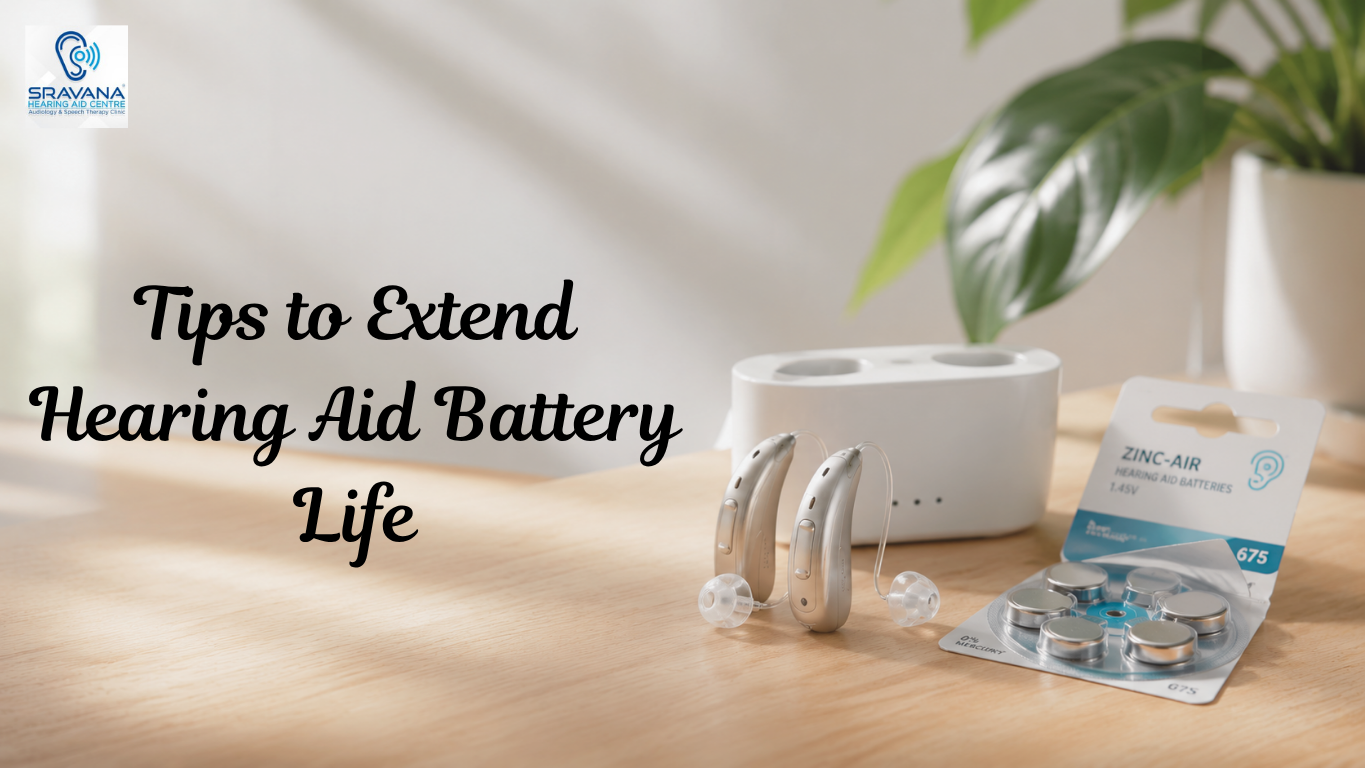
Understanding Your Hearing Aid Batteries
Before diving into recovery suggestions, it is helpful to understand the resource battery and how power is generated. Most disposable hearing aids use resource battery zinc-air technology.
Unlike smart household alkaline batteries, zinc gas cells can be activated with oxygen. Each battery comes sealed with a small, colored adhesive tab on the back. This tab shuts off the battery while in the garage by preventing air from entering through the small holes at the top. Once you peel off the sticker, the oxygen enters the cell phone, reacts with the zinc inside, and ignites the battery.
Because this chemical reaction is irreversible, placing the sticker back onto the battery will not pause the activation or preserve its charge once exposed to air.
1. Master the “5-Minute Rule” When Changing Batteries
According to resource holders, it is not very uncommon and without problems one of the corrected faults is a clean battery insertion immediately after the protection sticker is finished
When you peel off the tab, the zinc wants a few minutes to soak up the oxygen inside and create a full charge. If you field the battery immediately listening treatment and close the door immediately, the device starts drawing current before the cell reaches its maximum capacity voltage. This amazing drain can lead to a significantly faster drain of battery life.
Pro tip: Peel the tab off a new battery, and let it sit undisturbed on a flat floor for 3 to five minutes before inserting it into hearing aids. This simple practice can increase the overall performance of a typical battery by up to 20%.
2. Open the Battery Doors Every Night
When you get rid of hearing aids at night, make a habit of fully starting the battery compartment doors.
- Opening the battery door serves important features:
- Cuts power flow: Leaving the door open breaks the electrical circuit, ensures useful resources are completely turned off, and prevents energy consumption while you sleep
- Allows moisture to escape: Throughout the day, the natural density, frame temperature, and humidity inside the battery compartment increase. Leaving the door open for a day allows the airflow to dry out the internal connectors, preventing rust and corrosion of battery contacts as well as beneficial repair and hearing.
3. Protect Batteries from Environmental Extremes
Zinc-air batteries are particularly sensitive to a range of temperatures and humidity. Storing them improperly can damage the chemical balance, and they can be recharged long before you ever use them.
Humidity Control
Too much: High humidity can cause moisture to build up in the battery, causing leakage, corrosion, and internal swelling that can damage the hearing aid’s battery port
Very low: In very dry environments, the internal chemistry of a cell becomes dry, which shortens its lifespan.
Temperature Storage
Never store your hearing aid batteries in extreme heat or extreme cold. A common misconception is that storing batteries in the refrigerator extends their life; in reality, condensation inside the fridge can ruin zinc-air cells and cause premature failure. Always store your spare batteries in a cool, dry place at room temperature (around 20°C to 25°C), away from direct sunlight, hot vehicles, or humid bathrooms.
4. Keep Spare Batteries Away from Metal Objects
When carrying spare disposable batteries in a purse, pocket, or backpack, keep them in their original blister packaging or a dedicated plastic battery caddy.
If loose batteries come into contact with metal objects such as keys, coins, paperclips, or aluminum foil, the metal can create a bridge between the positive and negative terminals. This short-circuits the battery, causing it to discharge rapidly and heat up—rendering a brand-new battery completely dead before you even open it.
5. Manage High-Power Hearing Aid Features
Modern digital hearing aids offer incredible features, but advanced processing power naturally consumes more battery energy. Understanding which functions draw the most power helps you manage your daily battery expectations better.
If you notice your batteries draining faster on days when you stream multiple hours of phone calls, music, or television audio directly to your ears, this is completely normal. To conserve power during long days out, consider lowering streaming volume slightly or pausing Bluetooth connections when they are not in active use.
6. Maintain Proper Hygiene & Keep Contact Pins Clean
Over time, dust, earwax, oil, and moisture obviously accumulate on the hearing aids. If dust or wax forms on the internal battery contact pins, it causes resistance within the electrical connection. This forces the battery into tighter patterns to supply current, which increases drain and interrupts sound cutting.
Wipe daily: Every night, wipe down hearing aids with a soft, dry microfiber cloth.
Check contacts: Look for signs of dirt or wax buildup on the battery door. Use a soft brush (supplied with the maintenance kit) to gently remove particles.
Professional Service: Schedule regular exams with a certified audiologist to have your device professionally cleaned and calibrated.
Key Mistakes to Avoid with Hearing Aid Batteries
To keep your equipment running easily and safely, stay away from these common mistakes:
Buying batteries in bulk without checking expiration dates: Zinc air batteries have a typical shelf life of 3 to four years. Buying large bulk packages that take up drawer space for years can also lead to the use of obsolete fixtures with reduced capacity.
Leaving dead batteries inside the machine: Always stop dead batteries immediately. Leaving completely removed cells in the compartment increases the risk of battery swelling, chemical leakage, and severe internal corrosion.
Handling the battery with unwashed hands: Natural skin oils and dust transferred to the bottom of the battery can clog the fine ventilation pores needed for oxygen activation, hindering overall performance
Rechargeable vs. Disposable: Is It Time to Upgrade?
If managing small zinc-air batteries feels cumbersome or difficult due to demanding situations with capability, modern rechargeable hearing aids offer a convenient, eco-friendly option.
The chargers work with integrated lithium-ion batteries that do not require manual battery replacement. Simply plug your hearing aids into a compact charging station for a day, and experience 24 hours of continuous power – even with recharged Bluetooth streaming. Go between hearing aids in your neighborhood, and you can explore each disposable and rechargeable choice to see which electric style specifically aligns with your lifestyle.
Experience Expert Hearing Care at Sravana Hearing Aid Centre
Taking proper care of your batteries goes a long way toward enjoying uninterrupted, high-quality sound every day. However, when you need professional device maintenance, personalized fittings, or advice on upgrading to the latest hearing technology, having a trusted partner makes all the difference.
At Sravana Hearing Aid Centre, our team of certified audiologists is dedicated to providing comprehensive diagnostic testing, world-class digital hearing solutions, and ongoing support tailored to your unique hearing profile. Whether you need assistance choosing the right device, picking up premium accessories, or scheduling a comprehensive hearing test, we are here to support you every step of the way. Visit our Contact Us page to learn more about our services, or reach out to us directly at 9449100200 to schedule your appointment today!
Frequently Asked Questions (FAQs)
How long should a standard hearing aid battery last?
Battery lifespan varies depending on the battery size, the severity of your hearing loss, daily wear time, and how often you use Bluetooth streaming. On average, standard disposable batteries last:
- Size 10 (Yellow): 3 to 7 days
- Size 312 (Brown): 5 to 10 days
- Size 13 (Orange): 6 to 14 days
- Size 675 (Blue): 9 to 20 days
2. Can I extend battery life by putting the sticker back on at night?
No. Once you peel the sticker off a zinc-air battery, oxygen enters the cell and triggers a permanent chemical reaction. Reapplying the sticker will not stop the reaction or preserve the charge once activated.
3. Why did my new battery die in just one or two days?
Premature battery failure usually happens if the 5-minute activation rule was skipped, if the battery came into contact with metal objects in a pocket/purse, or if high-volume Bluetooth streaming was used heavily. High humidity or dirt on the internal battery contacts can also cause rapid discharge.
4. Should I keep my hearing aid batteries in the fridge?
No, never store hearing aid batteries in the refrigerator. Cold temperatures and condensation inside the fridge can damage the internal seal and dry out or corrode zinc-air cells. Always store them at room temperature in a dry location.
5. How do I know when my hearing aid battery is getting low?
Most modern digital hearing aids emit a subtle chime, tone, or verbal alert (e.g., “Low Battery”) into your ear when the voltage drops below a certain threshold. If you notice distorted sound, reduced amplification, or intermittent cut-outs, it is usually time to replace the battery.
6. Are rechargeable hearing aids better than disposable battery models?
Both options have great benefits! Rechargeable hearing aids eliminate the hassle of purchasing and replacing tiny batteries, making them convenient for users with dexterity issues. Disposable batteries, on the other hand, are great for frequent travelers or people who may not have daily access to electrical power outlets. A professional consultation at a certified hearing aid center can help you determine the best fit for your daily routine.