Taking the first step toward better hearing is one of the most powerful decisions you can make. This is a trip to join them and you love it. But when you start this journey, you will quickly know that the hearing world is more filled with technology and alternatives than ever. It can feel a little heavy.
The biggest question from many people today is whether to go with a simple, traditional hearing aid, or one of these new Bluetooth models?
This is a great question and the answer is not the same for everyone. The “best” hearing aid is not mostly about facilities; This is about finding the right tool that basically fits your unique lifestyle. In this guide, we will break the difference between traditional and Bluetooth home devices with simple, human words. Our goal is not to sell you on each other, but to strengthen you with knowledge.
Think of us at your local hearing aid center in Bangalore as your navigators on this journey. Let’s explore the options together.
What Are Traditional Hearing Aids?
Before we dive into the latest technology, it is necessary to understand the reliable foundation on which it is based. Traditional hearing appliances have a primary, important function: to make the sound of your surroundings clear and loud.
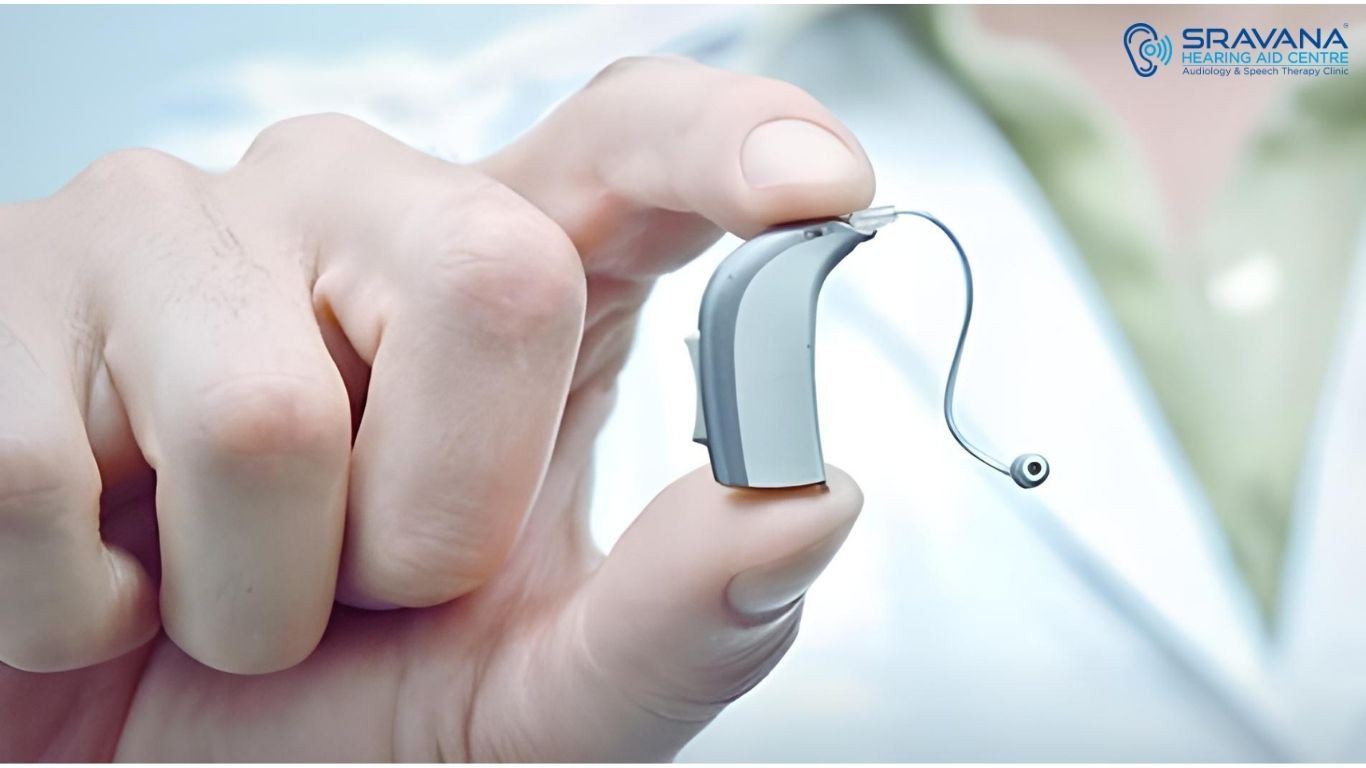
They are miracles of miniature technique, designed with a unique focus. A microphone raises the sound of your environment, a sophisticated processor increases and explains it based on your specific prescription for hearing loss, and a small speaker distributes better sound in the ear. This is a process that has been processed for decades to be incredibly effective and reliable.
Strengths of Simplicity and Reliability
Don’t make “traditional” mistakes for “old”. These devices are powerful and have different benefits that make them the right choice for many people.
Easy use: For those individuals who want a non-uniffic solution, traditional aids are ideal. They are often designed for “set and forget”. When programmed by an audiologist in a hearing aerate center, they automatically adjust to your environment, without having to touch anything. You put them in the morning and take them out at night. This is so simple.
Long battery life: Because they do not provide power to a Bluetooth radio, traditional auditory devices that use disposable batteries can often go for a long time between the battery changes. For those who affect the maximum battery time or have difficulty handling small rechargeable piers, this can be a significant advantage.
Potentially small size: Although technology has made all hearing appliances small, some most justifiable and invisible models are traditional, non-wireless devices. Their internal location is not taken by Bluetooth antennas and hardware, which allows for a thinner footprint.
Notice the core function: These are for hearing aids puris. Their entire design is dedicated to providing the best possible hearing in your local area. They are distinguished by clarifying conversations at the dinner table, helping you to listen to TV better and bring wealth back to nature’s sound.
Who is a traditional hearing aid? This is often perfect for someone who is not comfortable with a smartphone or complex technique. It is for the person whose primary goals are just listening to the interaction and surroundings clearer, without having to stream the sound or connect to other devices. They give significance for credibility and simplicity over everyone else.
What Are Bluetooth Hearing Aids?
Now let’s talk about the game change. Bluetooth -hearing equipment makes everything a traditional hearing aid – they improve beautiful beauty based on your hearing needs. But they have an incredibly extra layer of functionality: they can connect wirelessly to other electronic devices in your life.
Think about it this way: A traditional hearing aid is like a high quality landline-it does its most important work extraordinarily good. A bluetooth -greater device is like the latest smartphone – it works that core, but also connects you to the whole world of other possibilities.
This connection is not just a gimmick; This solves real challenges for people with hearing loss.
Seamless Audio Streaming: Your Personal, Wireless Headphones
This is probably the most famous feature. With Bluetooth -High devices, you can stream audio directly into your ears from your smartphone, tablet or computer. It converts your hearing equipment into a set of high loyal, customized headphones.
Crystal Collier Phone call: This is a life-changing function for many people. Instead of struggling to hold a phone in your ear and find a “sweet place”, the phone call is directly streamed into both hearing equipment. It’s like the person you talk to, he speaks clearly inside your head. You can walk around the house, go to the garden or make dinner while you are free of hands, perfectly clear conversations.
Music, podcast and Audibook: The joy of sound with sound is discovered that is corrected for your specific hearing loss. Listen without the need to put your favorite podcast on a separate set on an Audiobook in the evening or in the evening. The sound is streamed with consideration and incredible clarity.
GPS road description and videos: Imagine driving and hearing GPS directions that are clearly counted in the ears, not from the phone’s tinny speaker. Or watch a video on your tablet on a business cafe and hear the sound perfectly without disturbing anyone else.
Enhanced Television Viewing
The classic family argument over the TV volume can be a saga just. Most Bluetooth Highs can work with a small, simple accessory called a TV streamer. This device is connected to the TV and sends the sound directed to your hearing aids.
You can set the volume in your ears to your perfect level, if the rest of the family listens to a volume that is comfortable for them. This is a simple solution that restores harmony for the living room and makes movies and shows your favorite again an engrossing experience.
Personalised Control Through Smartphone Apps
Bluetooth connection unlocks the power of smartphone apps and gives you a unique control level of your hearing experience. These apps are designed to be intuitive and user -friendly.
Full adjustments: You can use your phone to accommodate the volume, change between different programs set by your audiologist (e.g. for a cool room, a noise restaurant) and even fine -tuning settings such as bass and trailer.
Find my hearing aids: We all have misplaced things. Many apps include a feature that shows you the latest knowledge site of your hearing aids on a map, which can be incredibly registered.
Telecommunications and external adjustments: This is a really modern advantage. If you have some confidence in a particular environment, you can request an adjustment from your audiologist. Through the app, they can send updated settings directly from your hearing aid center, without having to travel for deals in Trodd.This is a huge advantage for those with mobility challenges or busy schedules.
Head-to-Head Comparison: A Practical Breakdown
Let’s put them side-by-side to make the differences crystal clear.
| Feature | Traditional Hearing Aids | Bluetooth Hearing Aids |
| Core Function | Excellent sound amplification for your immediate environment. | Excellent sound amplification, plus wireless connectivity. |
| Connectivity | None. They are self-contained devices. | Connects to smartphones, tablets, TVs (with streamer), and computers. |
| Ease of Use | Extremely simple. “Set and forget” functionality. | Simple for core use, with advanced features available via a user-friendly app. Requires some comfort with smartphones. |
| Battery Life | Often longer life with disposable batteries. | Rechargeable models are the standard, typically providing a full day of use on a single charge. Streaming audio can use more power. |
| Lifestyle Fit | Ideal for those who want a simple, reliable hearing solution without extra technology. | Perfect for active, connected individuals who use smartphones and want to stream audio or have more control. |
| Cost | ||
| Generally, a lower initial investment. | Typically a higher initial investment due to the advanced technology.
|
Making the Choice: Which Path is Right for Your Lifestyle?
After reading all this, you might already be leaning one way or the other. The best way to decide is to honestly assess your daily life, your comfort with technology, and your primary goals for better hearing.
You might prefer Traditional Hearing Aids if…
You give significance for simplicity to everyone and want your hearing apparatus to work automatically in the background.
You are not comfortable using smartphones or using apps.
Your main conflict is listening to a conversation or TV in a quiet room.
You have a more limited budget and you are purely focused on the main advantage of reinforcement.
You are concerned about the control of rechargeable devices and prefer simplicity of disposable batteries.
You might prefer Bluetooth Hearing Aids if…
You use a smartphone every day and are comfortable with technology.
You often talk on the phone and struggle to listen clearly.
You prefer to listen to music, podcasts or Audiobooks and appreciate an individual hearing experience.
You want to control freedom in a sensible way and customize your hearing and add settings.
You lead an active, connected life and want hearing technology to be integrated with it.
The idea of external support and adjustment from the hearing aid center appeals to you.
Why You Shouldn’t Decide Alone: The Crucial Role of Your Hearing Aid Center
This guide is designed to provide you with a strong basis for knowledge, but it is just a basis. Finally, the most important decision should always be made in collaboration with a hearing staff.
A professional audiologist at a hearing aid center does more than just sell you a device. They are your long-term partner in hearing health. Here’s what happens when you come in for a consultation:
An intensive hearing assessment: We provide a comprehensive hearing test to understand how much hearing loss you have, but what kind of loss. These audiological data are important for choosing the right technique.
Assessment of a lifestyle: We will have a real conversation with you. We will ask about your work, your hobbies, family life and the situation where you struggle the most. This is the place where we connect your personal needs with the qualities we have discussed.
Expert recommendations: Depending on hearing exam results and lifestyle needs, we can recommend specific models – either traditional or Bluetooth – which will work best for you.
Professional fittings and programming: The consultation apparatus “One form fits everyone.” We will physically fit the equipment in your ears for maximum comfort and program them properly for the hearing session.
Driving support: When you get out of the door, our relationship does not end. Every time you need it, we are here to follow adjustments, cleanliness and support.
A better hearing journey is important. Choices between traditional and bluetooth -hearing equipment are an important decision on that way. By understanding the options and participating with experts from your local hearing aid center, you can move forward with confidence, knowing that you have made the right choice for your life.
Looking for the Best Hearing Aid Center?
Your search ends here! We’re here to guide you through every step of your hearing care journey. Contact us today or call 9449100200 for expert support and personalized solutions.
Frequently Asked Questions (FAQs)
- Will Bluetooth hearing aids constantly drain my smartphone’s battery?
Not really. Modern Bluetooth hearing aids use a technology called Bluetooth Low Energy (BLE), which is specifically designed for high efficiency. While you will see some battery usage on your phone, it is very minimal and not something most users even notice in their day-to-day life.
- Are Bluetooth hearing aids difficult to set up and use?
They are designed to be very user-friendly. The initial pairing process is simple and is something your audiologist at the hearing aid center will walk you through completely. The companion apps are designed with clear icons and intuitive controls, making them easy for people of all tech-comfort levels to navigate.
- Can other people listen in or “hack” my Bluetooth hearing aids?
This is a common concern, but you can rest easy. The connection between your hearing aids and your phone is a secure, encrypted, and private “pairing.” No one else can listen in on your phone calls or audio streams. It is a one-to-one, secure connection.
- Do I absolutely need a smartphone to use Bluetooth hearing aids?
No. At their core, Bluetooth hearing aids will still function as excellent, automatic hearing aids right out of the box, even without a smartphone. You only need a smartphone if you want to use the extra features like streaming audio, making hands-free calls, or using the app to make personal adjustments.
- Is one type of hearing aid better for severe or profound hearing loss?
Both traditional and Bluetooth technologies are available in powerful models designed for all levels of hearing loss, including severe and profound. The choice doesn’t depend on the severity of your loss as much as your lifestyle and connectivity needs. Your audiologist will recommend the most powerful and suitable options for your specific hearing prescription.