
Listening is one of the most important senses that connects us to the world around us. However, millions of people in India suffer silently from different types of hearing loss, often without feeling that the problem is serious. Whether due to age, infection, injury, or exposure to high noise levels, hearing loss can affect individuals of all age groups. Fortunately, with advancements in the treatment of hearing loss, hope remains alive for everyone.
Hearing loss affects millions of people and requires different reasons and types of specific treatment. This blog examines three main types of hearing loss – leading, sensorial, and mixed – with their symptoms, causes, and available hearing loss treatments. Whether age, infection, or injury, timely diagnosis and hearing about proper care can improve health. To understand how advanced technology and audiology services help people redirect the opportunity to listen and connect with the world around them.
What is hearing loss?
Hearing loss is a partial or complete inability to hear sounds in one or both ears. This can slow or suddenly be affected and affect the ability to listen to high-pitched or low-pitched sounds, conversations, or environmental sounds. The severity can be mild to severe.
Hearing loss is not just a medical question – it affects communication, mental health, social life, education and career opportunities. Therefore, early diagnosis and treatment of hearing loss can significantly improve the quality of life.
A major type of hearing loss
Hearing loss is mainly classified into three types:
1. Conductive Hearing Loss
This type of hearing loss occurs when sound waves are not conducted effectively through the outer ear canal to the eardrum and middle ear.
Causes:
- Earwax blockage
- Cold liquid due to cold or allergy
- Ear infection (Otitis Media)
- Perforated Eartrode
- Otosclerosis (abnormal bone growth)
- Congenital deformity of ear structure
Symptoms:
- Fragrant hearing
- Ear pain or pressure
- Better hearing in a noisy environment
- Sudden or progressive hearing loss
Treatment:
- The removal of wax from a professional
- Antibiotics or fungicidal medicines for infection
- Surgical improvement
- Use of hearing equipment in some cases
2. Sensorineural hearing loss (SNHL)
Censorship of hearing loss is caused by damage to nerve pathways from the inner ear (Coci) or inner ear to the brain.
Causes:
- Old age
- Hearing high noise for longer periods
- Head injury
- Viral infection
- Genetic disorder
- Ototoxic medications (some antibiotics or chemotherapy)
Symptoms:
- Difficulty understanding speech, especially in noise
- Tinnitus
- Gradual or sudden hearing loss
- There is a need to increase the amount of TV or phone time
Treatment:
- Use of digital hearing aids
- Cochlear use for severe cases
- Training for hearing
- Avoid ototoxic medications
Sensorial hearing loss is usually permanent, but treatment of hearing loss, such as listening aids and transplants, offers significant benefits.
3. Mixed Hearing Loss
It is a combination of both leading and sensory hearing loss. This means that there may be damage to the inner ear or hearing nerve, to the outer or middle ear.
Causes:
- Chronic ear infection
- Pain in the ear
- Genetic problem
- Surgical complications
Symptoms:
- Fluctuation in hearing capacity
- The hearing is improved with medications, but never healed completely
- Difficulty hearing a soft voice
- Tinnitus
Treatment:
- Medicine/surgical treatment and a combination of hearing appliances
- Use of bone-anchored hearing systems
- Regular monitoring of an audiologist
Other classifications of hearing loss
In addition to the three main types, hearing loss is also classified on the basis of severity and onset.
Based on Severity:
- Mild hearing loss
- Moderate hearing loss
- Severe hearing loss
- Intensive hearing loss
Based on the beginning:
- Innate
- Acquired (develops after birth)
Based on ears:
- Unilateral (one ear)
- Bilateral(two ear)
Signs That You May Have Hearing Loss
- Difficulty listening to people in groups or crowds
- Ask people to repeat themselves often
- Grow too much for the TV or radio volume
- Looks tired after a long conversation
- Difficulty listening to children or female voices
- To avoid social events due to communication problems
If you or any of your dear ones have noticed any of these signals, you can contact a qualified audiologist or ENT specialist for proper auditory assessment.
Diagnosis of Hearing Loss
Diagnosis includes a combination of taking history, physical examination and various hearing samples.
Common Diagnostic Tools:
- Pure Tone Audiometry (PTA): Determines the softest sounds you can hear in different places.
- Tympanometry: Mid-door measures Function and pressure.
- Otoacoustic emission (OAE): Testing the inner ear to sound.
- Auditory Brainstem Response (ABR): Newborn screening or used for cases where the patient cannot respond.
These tests help to identify types, causes, and degrees of hearing loss and guide the current hearing loss treatment plan.
Hearing Loss Treatment Options in India
1. Medical and surgical treatment
- Antibiotics or antifungal for ear inflammation
- Earwax issue
- Surgery for perforated eardrums, otosclerosis, or a congenital problem
2. Hearing Aids
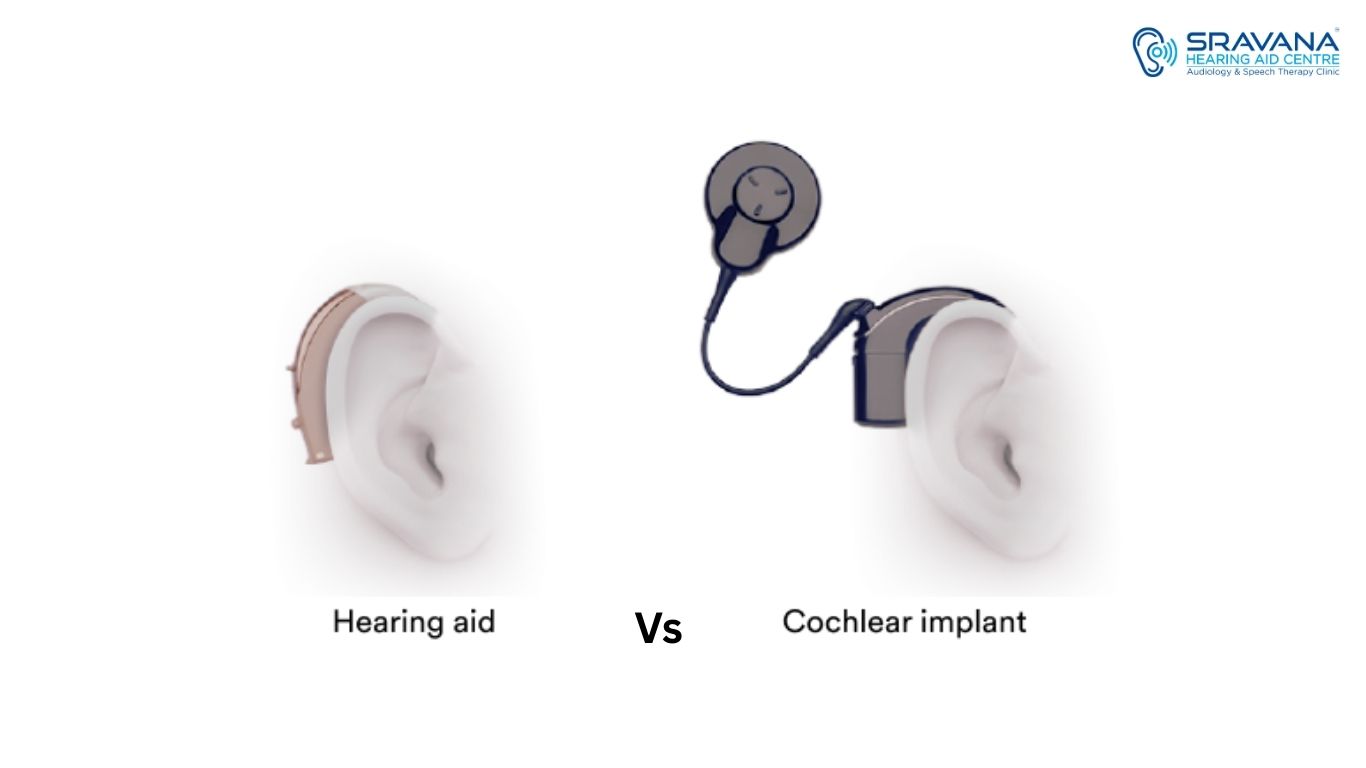
Modern hearing instruments come in different styles such as behind-the-ear (BTE), in-the-ear (ITE), and completely-in-canal (CIC). They are digital, rechargeable, and can be adapted to fit the user’s hearing profile.
Top hearing aids available in India include Phonak, ReSound, Oticon, Signia, and Widex.
3. Cochlear Implants
They are used when the consultation units are not sufficient. A cochlear implant damages the inner ear structures and directly stimulates the auditory nerve.
4. Assistive Listening Devices (ALD)
These include FM systems, notification units, and an amplified phone that helps with specific hearing conditions.
5. Speech and hearing therapy
This is especially beneficial for children who adapt to hearing loss or listening tools with adults.
Prevent hearing loss
- Avoid noise or use ear safety in noisy environment
- Follow the right ear hygiene (avoid using cotton knobs)
- Avoid self-medication, especially antibiotics or painkillers
- Regular hearing check, especially after the age of 50
- Ear infection and timely treatment of problems related to a cold
Audiologist’s role in the treatment of hearing loss
An audiologist is a certified professional who diagnoses and treats hearing disorders. They conduct hearing assessment, recommend appropriate hearing appliances or equipment, and provide rehabilitation therapy.
In India, audiology services are widely available in hospitals with several hospitals, ENT Clinics, and dedicated hearing aid centers. Cities such as Bangalore, Delhi, Chennai, Kochi, and Pune have many reputable centers that offer advanced treatment and care for hearing loss.
Final Thoughts
Understanding the type of hearing loss is the first step towards effective treatment. Whether it is a temporary obstacle or a permanent inner ear position, it can create a world of time -time-intervention differences. Thanks to technology, hearing loss treatment has become very advanced and accessible throughout India. From hearing appliances to transplantation and therapy, there are solutions for everyone.
Frequently Asked Questions (FAQs)
1. Can hearing losses be permanently corrected?
Some types of leading hearing loss can be cured with drug or surgery. However, sensory hearing loss is usually permanent, but can be effectively administered with a hearing apparatus or cochlear implants.
2. Is the loss of hearing in children common?
Yes, congenital and acquired hearing loss can be caused by birth complications, infections or genetic factors in children. Early screening and intervention are important for speech and language development.
3. How many times will anyone test the hearing?
Adults should undergo a hearing test once every two years, or annually after the age of 50.
4. Restore the hearing equipment for general consultation?
The consultation units do not normally restore hearing, but they significantly improve hearing, communication, and quality of life. Success depends on early diagnosis and frequent use.
If you or anyone is facing difficulties in listening to such difficulty, do not delay, consult a hearing care professional today, like Sravana Hearing Aid Centre, and find the joy of sound again.