For many Indians, the realization that they may lose their hearing comes slowly. It usually starts with “What did you say?” Turning up the volume on the dinner table or TV is just a notch better than the comfort of your own family. But when do these minor discomforts become a medical need? When should you officially need to get a hearing aid to get the beauty back in your life?
At Sravana Hearing Aids Center, we believe that information is the first step closer to your hearing and your world-class sound restoration. In this specific guide, we will explore specific levels of impaired listening, how to measure them, and when listening would be a useful resource-supported response.
Understanding the “Threshold”: How Hearing is Measured
Before diving into the loss factors, it’s important to understand how audiologists measure hearing. Hearing is measured in decibels (dB), which indicates the loudness of sounds, and in hertz (Hz), which indicates the mode or frequency of sound.
When you go between professional hearing aids, your audiologist will perform Pure Tone Audiometry (PTA). The results are plotted on a soundgram. This graph shows the softest sounds you can hear at certain frequencies.
The “normal” hearing range of any individual is usually between 0 dB and 25 dB. If the hearing threshold is above 25 dB, you have technically diagnosed hearing loss.
The 5 Degrees of Hearing Loss
The Scientific Network classifies hearing loss into 5 wonderful stages. Knowing where you fall on this spectrum is essential to determining whether you need a device.
1. Mild hearing loss (26 to 40 dB) .
But at this stage, you can most likely hear the conversation in a quiet room. Still, soft sounds — like the hum of air conditioning, birds chirping or whispering secrets — begin to disappear
The challenge: You probably have a hard time observing communication if there’s historical noise in the past, even in a busy restaurant or crowded marketplace. You may also feel that humans “hum” instead of speaking honestly.
2. Moderate hearing loss (41 to 55 dB)
This is a common “tipping factor”. In this stage, you go over an enormous amount of speech during daily verbal exchanges. You will surely discover that you ask humans to copy you on a regular basis.
The challenge: Phone calls are frustrating. You also rely on it closely without visual cues or lip analysis. This is often the extent to which most families insist on their loved one wearing a hearing aid.
3. Moderate-severe hearing loss (56 to 70 dB) .
At this stage, it is somewhat impossible to capture speech at normal conversational levels. Only loud speech is heard, and even then the reading often disappears.
The challenge: You are effectively disconnected from the system discussion. Environmental looks like a doorbell or a ringing cell phone is probably ignored unless you are very close to the supply.
4. Hearing loss (71 to 90 dB)
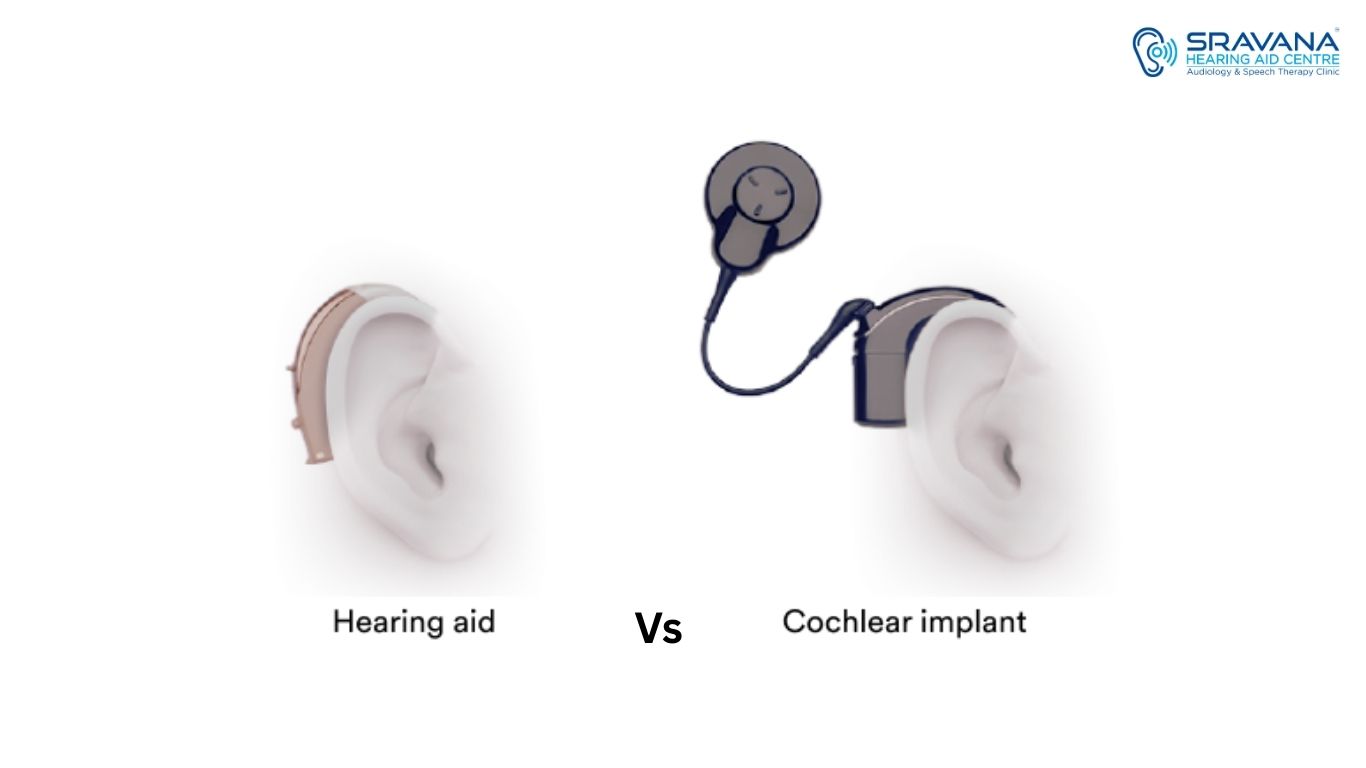
People with severe hearing loss cannot hear speech at all without hearing aids or cochlear implants. Only the most exalted words are heard, Yeshu Tavapaksya CT va udghosvara: va bhavati.
5. Profound Hearing Loss (91 dB or more)
This is the most extreme level. You may only feel the vibrations of very loud sounds (like a jet engine or heavy machinery) rather than “hearing” them in the traditional sense.
At What Level Do You Need a Hearing Aid?
The quick answer is: Most audiologists recommend hearing aids to start with soft to moderate levels (round 30-35 dB).
However, the choice is not primarily based solely on the area of the graph. At the Hearing Aid Center, we test for the number 3 factors:
A. Impact on daily life
If you have a 30 dB loss, and your job involves high-level communication (such as a coach, lawyer, or doctor), a hearing aid is important.
B. Speech
Sometimes a person can have a “minor” loss of breadth of speech and still have very terrible “speech discrimination” (the ability to tell the difference between words like ‘fill’ and ‘pill’). In such cases, a hearing aid is needed that can offer the mind the necessary clarity.
C. Cognitive Health and Brain Stress
This is an important factor that is regularly ignored in India. When you have moderate hearing loss, you have to imagine extra time in your mind to “fill in the holes.” This is known as Cognitive load. Research has proven a direct hyperlink between untreated hearing loss and an elevated chance of dementia and cognitive decline. By traveling and listening earlier between useful material, you not only help your ears; You protect your brain.
Why Early Intervention Matters
In our Indian tradition, there is often a stigma attached to hearing aids. People think they can be “for old people”. However, it is a mistake to be prepared unless the hearing loss is “extreme”.
Hearing loss: If we don’t receive acoustic warnings for a long time, we “forget” how to process them. Years later, even if you have access to useful hearing aids, your speech recognition skills may not return to full normal either.
Social isolation: Hearing loss causes “social fatigue.” It’s exhausting to pay attention when you can’t hear properly. Ultimately, people are stopped from going out, mainly by despair and loneliness.
Safety: Failure to blow a car horn or alarm on a busy road can be fatal.
What to Expect at a Hearing Aid Center
When you walk into a hearing aid, it’s kind of therapeutic and empathetic:
Consultation: We discuss your lifestyle. Do you spend time in noisy environments? Do you use your phone a lot?
Extensive Testing: Using the best equipment, we determine your exact limit at all frequencies.
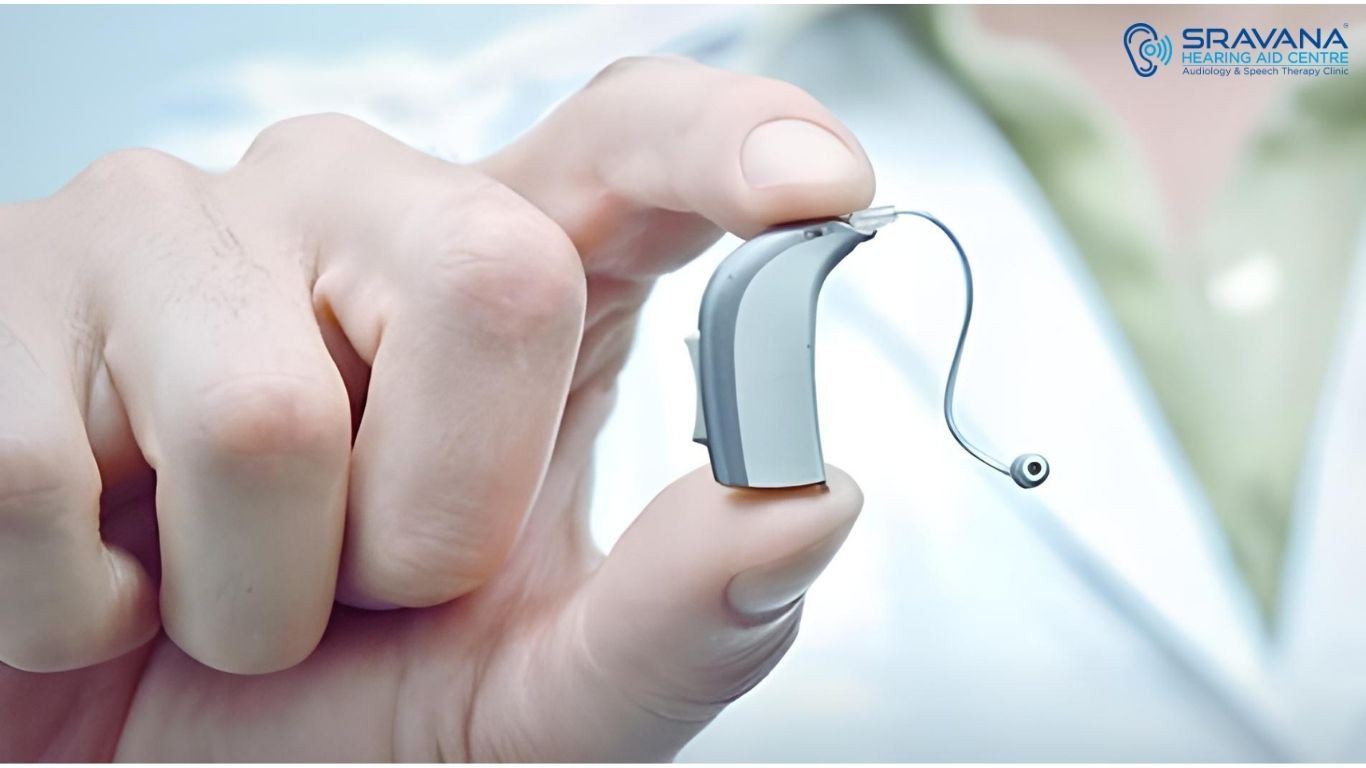
Experience: We don’t just support your box. We allow you to enjoy the sound. Modern hearing aids are small computers that can sync with your mobile phone, cancel wind noise, and be aware, especially of persons speaking in front of you .
Customization: Each ear is unique. We measure your unique hearing profile in a form device.
Conclusion: Your Hearing, Your Life
Life in India is colorful and noisy. From the ringing of temple bells to the laughter of our grandchildren at some stage during the celebration, it is sound that connects us to our traditions and our families. Don’t let a “medium” or “small” loss rob you of those experiences.
If you think you’re missing out, don’t expect the loss to be “deep.” Small, discreet hearing aids can change your life.
Experience the joy of sound at Sravana Hearing Aid Center
At the Sravana Hearing Aid Center, we are committed to providing a world-of-elegance audiology service through personal contact. Whether you need an easy test or a high-stakes virtual audition, our experts are here to guide you.
Contact Us Today:
📞 Phone: 9449100200
🌐 Book an Appointment: Contact Sravana Hearing Aid Centre
Frequently Asked Questions (FAQs)
Can a hearing aid restore my hearing to 100% normal?
While a hearing aid cannot “cure” the underlying biological damage, modern digital devices can significantly improve your ability to hear and understand speech, making it feel very close to natural hearing in most situations.
I can hear fine in quiet rooms, but I struggle in crowds. Do I need a hearing aid?
Yes. This is a classic sign of mild to moderate high-frequency hearing loss. Modern hearing aids are specifically designed to filter out background noise and amplify speech, which is exactly what you need in those situations.
Will wearing a hearing aid make my hearing worse over time?
No. In fact, the opposite is true. By keeping the auditory nerve stimulated, a hearing aid helps maintain your brain’s ability to process sound, potentially slowing down the effects of auditory deprivation.
How do I choose the best hearing aid center near me?
Look for a center that offers qualified audiologists, a wide range of brands (not just one), and most importantly, comprehensive after-sales service and programming support.
Are hearing aids very visible and bulky?
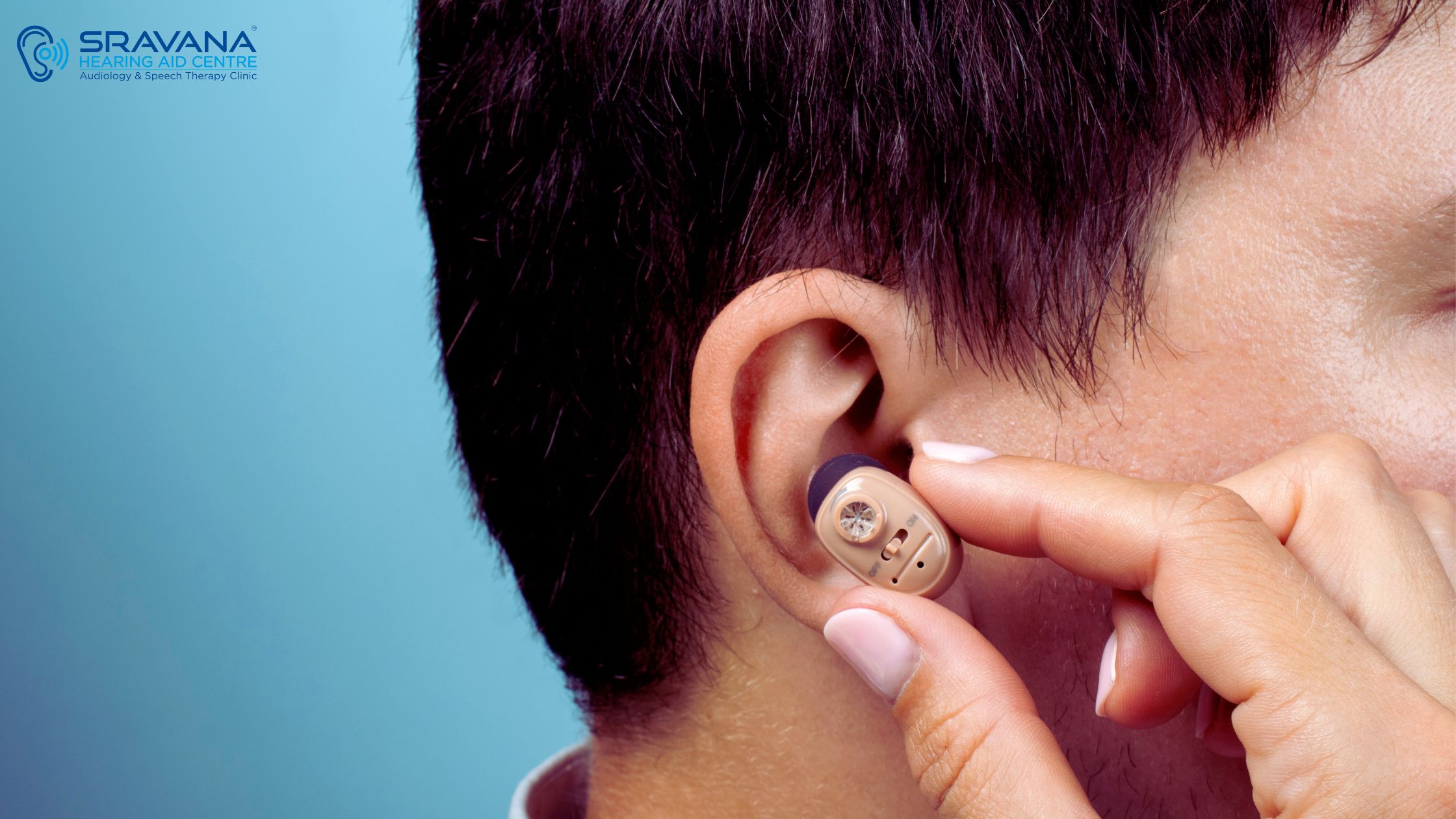
Not anymore! Technology has evolved. We offer “Invisible-in-Canal” (IIC) and “Completely-in-Canal” (CIC) models that are virtually undetectable to others.
Do both ears need a hearing aid if only one has a problem?
Hearing is a “binaural” process (using two ears). Even if one ear is slightly better, wearing two aids provides better sound localization (knowing where sound is coming from) and better clarity in noisy environments. Our experts at the hearing aid center will guide you based on your test results.